In the early 2000s, the idea of staying in a stranger’s spare bedroom was considered a radical experiment in trust. Fast forward to today, and Airbnb has not just normalized this concept it has fundamentally rewritten the global travel playbook. With over 8 million listings and a presence in nearly every corner of the map, Airbnb has evolved from a lodging marketplace into a full-scale lifestyle ecosystem that dictates how we live, work, and connect across borders.
Today, the platform is no longer just about “renting a room.” It is about a cultural shift where the stay itself is the destination. From “Icons” that blur the line between reality and fantasy to AI-driven discovery that anticipates a traveler’s needs before they even type a search query, Airbnb is the architect of a new way of being.
The Icons Era: Stepping Into the Extraordinary
The most visible transformation in 2026 is the Icons category. Airbnb has moved beyond standard homes to offer “Extraordinary Experiences” hosted by the world’s biggest names in music, film, and sports. These aren’t just high-end rentals; they are immersive cultural moments.
Imagine staying in a recreation of the Up house, complete with thousands of balloons, or sleeping in the Musée d’Orsay’s clock room overlooking the Seine. These “Airbnb Originals” operate on a request-to-book system. Guests submit a “booking request” including their personal connection to the icon, turning the platform into a premier destination for Event Tourism. It represents the ultimate shift from “commodity travel” to “status travel,” where the memory of the home is more valuable than the city it resides in.
The AI Revolution: Conversational Discovery
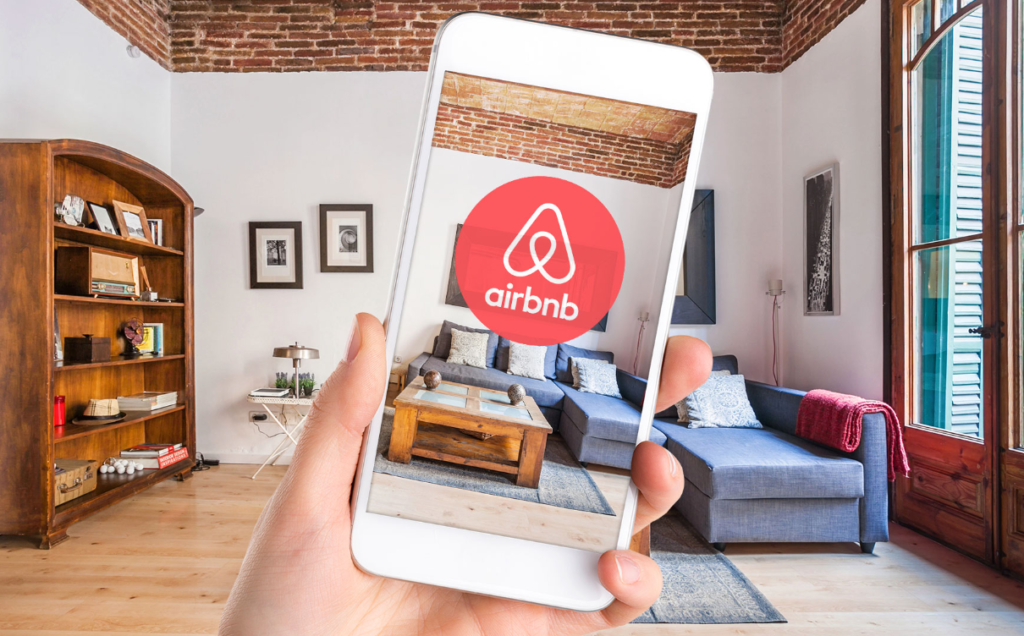
While previous years were about AI experimentation, 2026 is the year of AI-native travel. Airbnb has replaced traditional, filter-heavy search with Conversational Discovery. Instead of toggling checkboxes for “WiFi” or “Pool,” guests now describe their ideal trip in natural language:
“Find me a quiet cabin within two hours of Vancouver with a fast workspace, a pet-friendly yard, and a local host who can recommend the best sunrise hiking trails.”
This technology, powered by sophisticated large language models, understands intent rather than just keywords. For hosts, the AI acts as a Revenue Manager and Listing Assistant. It helps new hosts overcome “writer’s block” by generating SEO-optimized descriptions from simple photos and suggests Smart Pricing based on real-time local demand surges like a surprise concert or a regional festival.
Pricing Transparency and Guest Favorites

To combat the “sticker shock” of the past, Airbnb has fully standardized its pricing transparency. The total price shown on the map now includes all cleaning fees, service fees, and taxes upfront. This shift has led to higher conversion rates and fewer abandoned bookings, as guests can compare “all-in” costs at a glance.
Furthermore, to ensure quality across its massive inventory, the Guest Favorites badge now identifies the top 2 million homes based on a combination of high ratings, reliability (low host cancellations), and value for money. These listings, which represent roughly 20% of the platform but drive nearly 40% of the views, have become the “Michelin Star” of short-term rentals, giving guests peace of mind in a decentralized market.
The “Sovereign Host” and the 2026 World Cup

As we approach the 2026 FIFA World Cup in North America, Airbnb has positioned itself as critical infrastructure. The company launched its largest-ever host recruitment initiative, offering a $750 USD bonus for new entire-home hosts in the 16 host cities across the U.S., Canada, and Mexico.
This initiative highlights the “Sovereign Host” movement regular homeowners who use the platform to generate significant income during global events. Airbnb’s role has shifted from a travel site to a partner in national economic resilience, helping cities accommodate millions of fans without the need for permanent, environmentally damaging hotel expansions.
Evolving Rules: Safety and Standards

Airbnb has implemented updated Terms of Service that reflect the modern landscape of hosting and guesting. These changes signal a move toward more professionalized standards:
- AI Evidence Ban: In a move to protect integrity, Airbnb now bans AI-generated evidence in host damage claims. Photos must be authentic and timestamped to ensure a fair resolution process.
- Standardized “Consumables”: For the first time, there is a formal definition for consumables (like coffee pods, toiletries, and kitchen staples). This clarifies what guests can expect and prevents disputes over household supplies.
- Flexible Cancellation Evolution: The 24-hour universal free cancellation window has become a global standard, reducing friction and encouraging earlier bookings, while host cancellation penalties have scaled to ensure reliability for travelers.
The Future of Belonging

Airbnb is no longer a “room-sharing app” it is the Global Operating System for Living. It serves the “Digital Nomad” looking for a month-long stay with high-speed internet, the “Extraordinary Traveler” chasing an Icon experience, and the “Traditional Vacationer” seeking a Guest Favorite beach house.
By prioritizing trust through AI-driven verification and human-centric design, Airbnb reminds us that while the house provides the shelter, it is the connection to the local culture and to each other that makes the journey worthwhile. In a world that often feels fragmented, Airbnb remains the bridge that allows us to truly Belong Anywhere.